Bertrand Portier Architecte
Projets Parutions Contact

Musée d’art contemporain de Buenos Aires

Musées

Immeuble JL-Polynésie

Bureaux

Immeuble JL-Polynésie

Bureaux

Immeuble JL-Polynésie

Bureaux

Immeuble JL-Polynésie

Bureaux

Immeuble JL-Polynésie

Bureaux

Immeuble JL-Polynésie

Bureaux

Immeuble JL-Polynésie

Bureaux

Immeuble JL-Polynésie

Bureaux

Immeuble JL-Polynésie

Bureaux

Immeuble JL-Polynésie

Bureaux

Immeuble JL-Polynésie

Bureaux

Immeuble JL-Polynésie

Bureaux

Immeuble JL-Polynésie

Bureaux

Immeuble JL-Polynésie

Bureaux

Immeuble JL-Polynésie

Bureaux

BORA BORA LAGOON RESORT (BBLR)

Hotels

Maison Castors

Maisons d'habitation

Maison Castors

Maisons d'habitation

Maison Castors

Maisons d'habitation

Maison Castors

Maisons d'habitation

Maison Castors

Maisons d'habitation

Maison Castors

Maisons d'habitation

Maison Castors

Maisons d'habitation

Maison Castors

Maisons d'habitation

Maison Castors

Maisons d'habitation

Maison Castors

Maisons d'habitation

Maison Castors

Maisons d'habitation

Maison Castors

Maisons d'habitation

SODIMEC

Bureaux

SODIMEC

Bureaux

SODIMEC

Bureaux

SODIMEC

Bureaux

SODIMEC

Bureaux

SODIMEC

Bureaux

SODIMEC

Bureaux

SODIMEC

Bureaux

SODIMEC

Bureaux

SODIMEC

Bureaux

SODIMEC

Bureaux

SODIMEC

Bureaux

Immeuble JL-Polynésie

Bureaux

Immeuble JL-Polynésie

Bureaux

Musée d’art contemporain de Buenos Aires image

Musées

Musée d’art contemporain de Buenos Aires

Situation géographique:
Buenos Aires, Argentine
Programme :

Musée d’art contemporain (concours d’architecture international)

Maître d’ouvrage:

(AC-CA)

Architecte:

Bertrand Portier

Délai:

juillet 2012

Coût:
Concours international d’étude.
Immeuble JL-Polynésie image

Bureaux

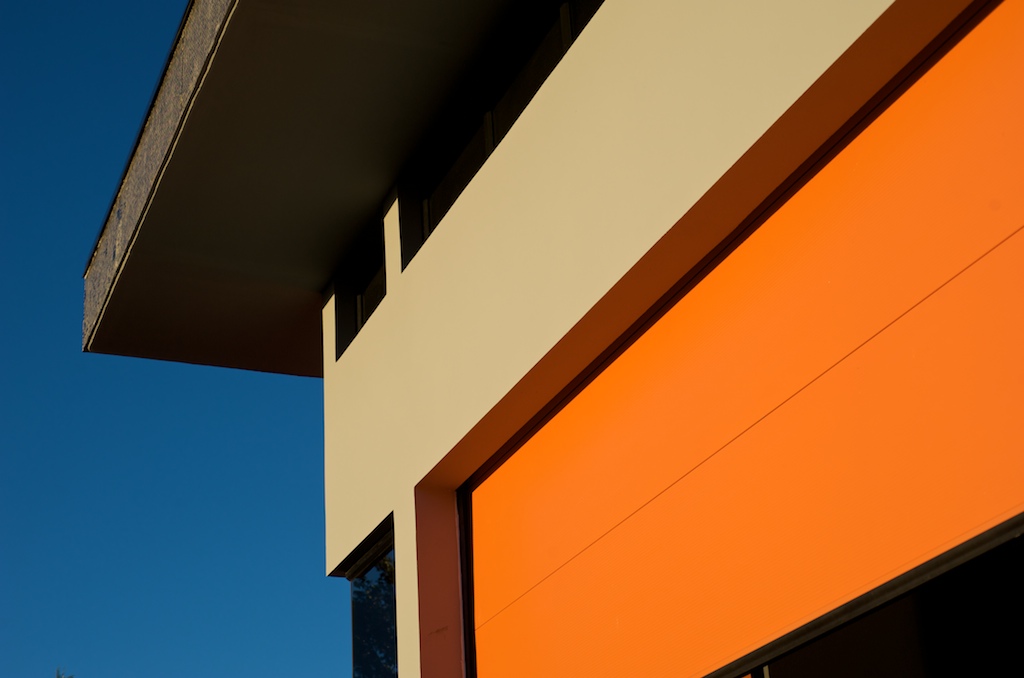
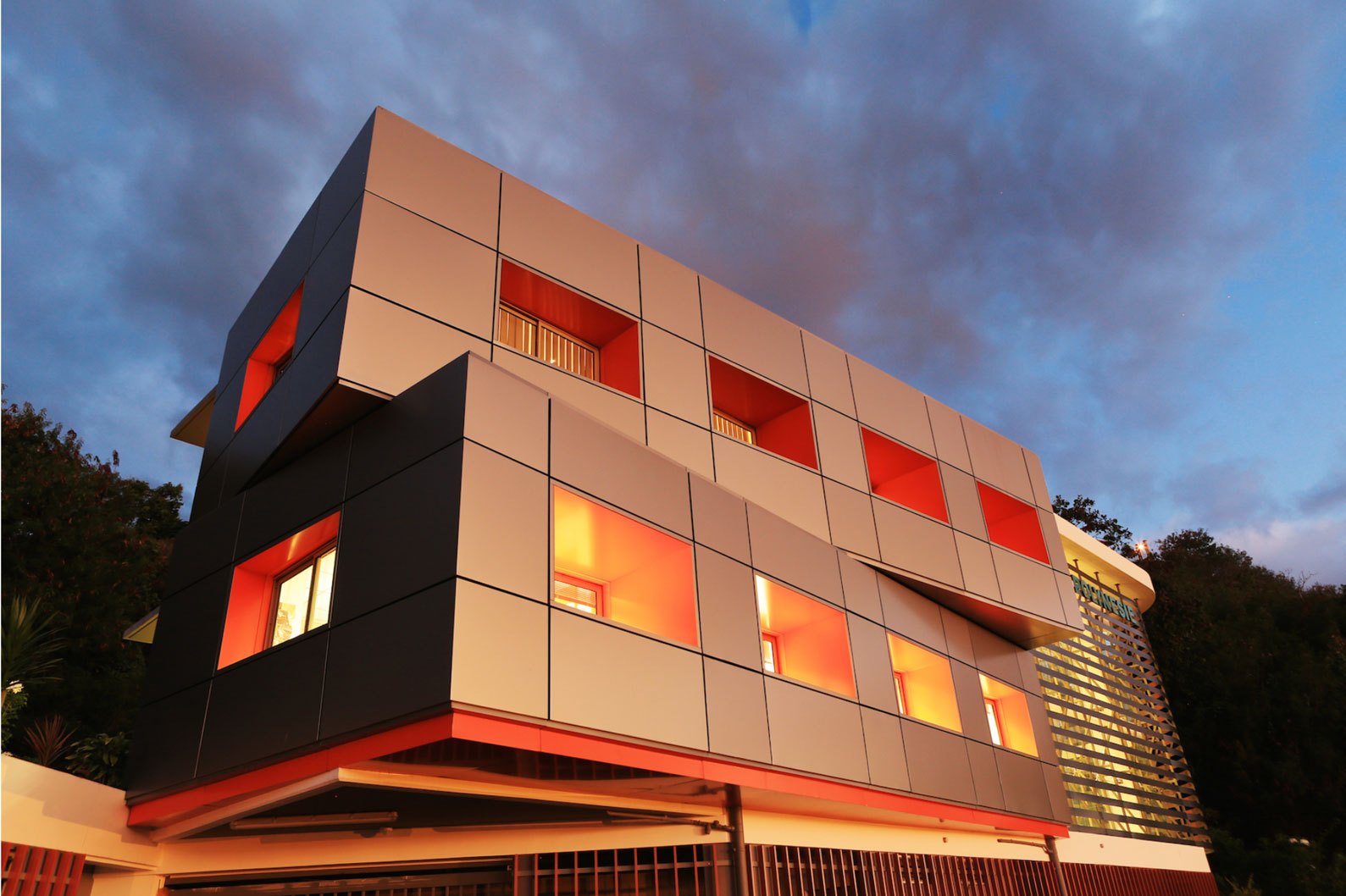
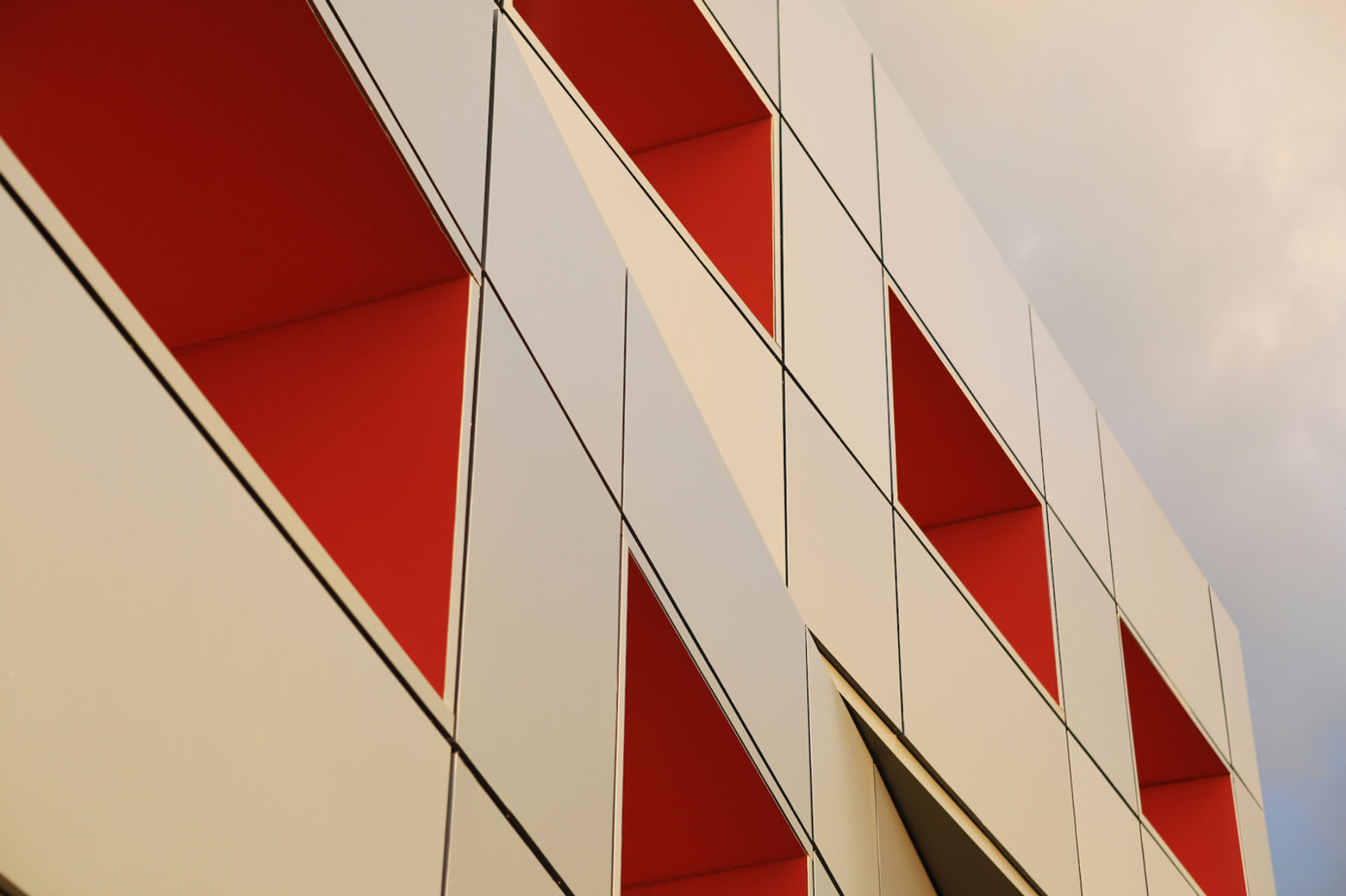
Immeuble JL-Polynésie

Situation géographique:
Quartier Jambolana – commune de Punaauia
Programme :

Bureaux, parking sous-sol – Siège de société

Maître d’ouvrage:

JL Polynésie

Architecte:

Bertrand Portier

Délai:

Etudes commencées en juin 2012, immeuble livré en juillet 2013

Coût:
Confidentiel
Entreprises:

Fiumarella (gros oeuvre et plomberie), STTT (étanchéité), ABP Concept (peintures, menuiseries bois), Lucky (cloisons et faux plafonds), Technofroid (électricité et climatisation), Gonon (métalleries), Pacific Alu (menuiseries vitrées), Somalu (bardages extérieurs), Tahiti Signs (enseigne), J-L Polynésie (VRD).

Photo : Greg Le Bacon

BORA BORA LAGOON RESORT (BBLR) image

Hotels

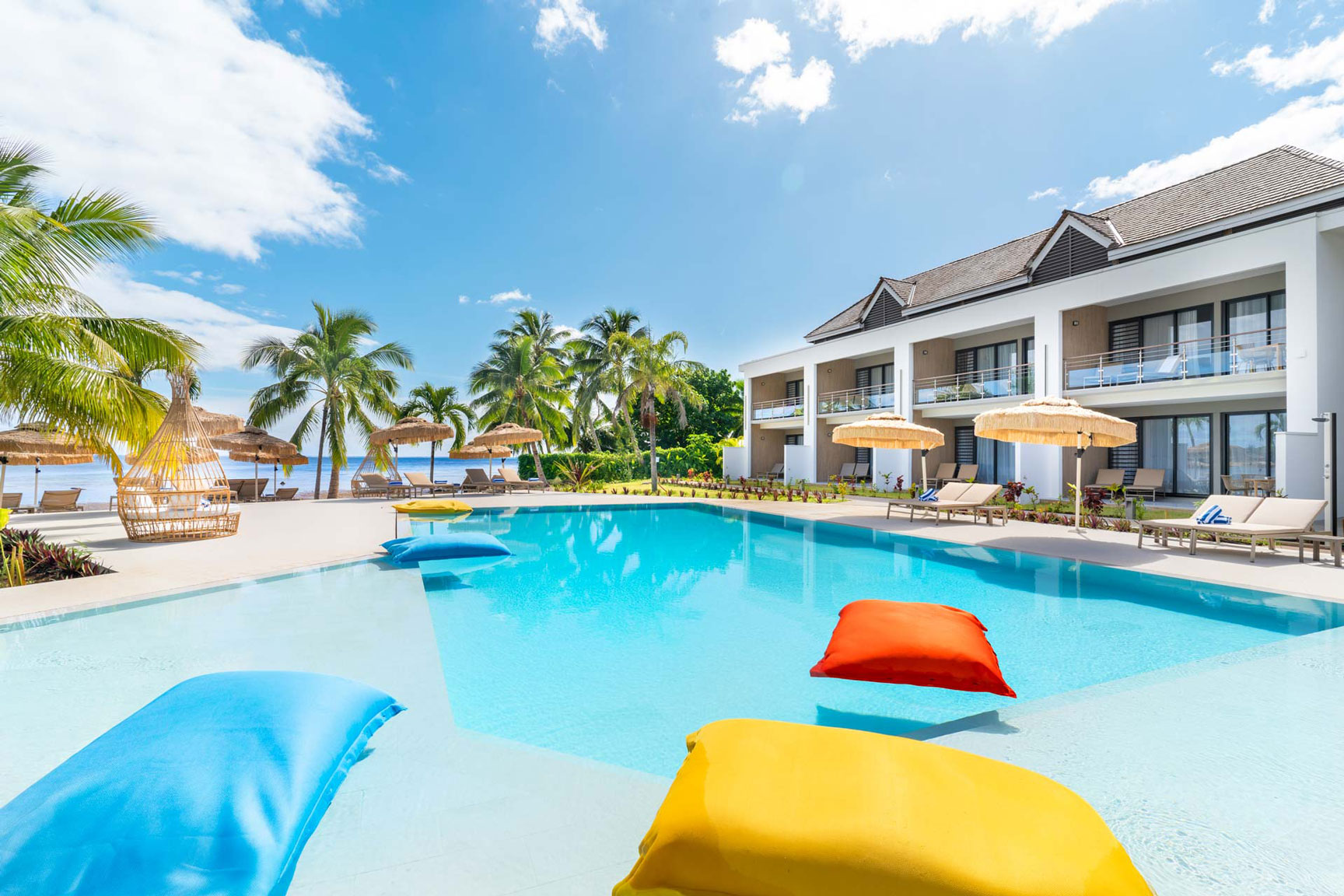
BORA BORA LAGOON RESORT (BBLR)

Situation géographique:
Confidentiel
Programme :

Title: BORA BORA LAGOON RESORT (BBLR)

----

Longtitle: Reconstruction de l'hôtel BBLR à Bora-Bora.

----

Text: A Bora-Bora, les hôtels de luxe se ressemblent tous: ils présentent une architecture de style balinais monotone et uniforme, assez triste.
Ils ignorent les signifiants polynésiens et les vertus des matériaux locaux (par exemple, le pandanus sert à une ventilation naturelle, réduite à néant par la double toiture nécessaire à la climatisation). Le bois domine alors qu’il s’agit d’un matériau fragile nécessitant sous nos latitudes un entretien considérable.

Cet académisme architectural, qui se retranche vers un passé et un ailleurs lointains, tourne le dos à tous les courants esthétiques contemporains. Il y a ici 2 siècles de retard et Le Corbusier n’a jamais existé. Energie, dynamisme, présent et futur sont absents.
Une clientèle aisée et cultivée n’y trouve pas son compte.

Les touristes viennent à Tahiti pour apprécier les paysages, les lagons, la population polynésienne, le climat. Les clients des hôtels ne viennent pas à Tahiti pour son architecture traditionnelle – une architecture qui, au passage, était très limitée aux temps anciens.

Bora Bora et la Polynésie ne doivent pas se retrouver exclus de la modernité.

Par ailleurs, force est de constater qu’aucun hôtel de luxe au monde ne mise la figuration sur une liste d’ouvrages aussi prestigieux que le récent MUCEM de Marseille, le centre Jean-Marie Djibaou à Nouméa, le musée Guggenheim de New York, l’église de la lumière de Tadao Ando, ou bien le quartier gouvernemental de Dacca de Louis Kahn.

Les moyens financiers mis en œuvre pour les hôtels de luxe peuvent pourtant le permettre.

******************

In Bora Bora, luxury hotels are alike and all have a Balinese style of architecture that is dreary and uniform. They ignore the significance Polynesian style and the virtues of local materials (eg, pandanus that is used for natural ventilation, which they ignore by building double roofs for air-conditioning). Wood dominates their style although it is a very brittle material in our latitudes and therefore requires an extensive amount of maintenance.

But still, this is architecturally academic, they moved back to a distant past and turned their back on all contemporary aesthetic trends. Now we are here two centuries later and it’s as if Le Corbusier never existed. Energy, dynamism , the present and future are absent.
A wealthy and cultivated customer will not find his satisfaction with this architecture.

In short, the architectural and artistic creation in all these hotels is non-existent.

Customers come to Tahiti to enjoy the scenery, lagoons, Polynesian people, the climate. Customers do not come to Tahiti for the traditionnal architecture – especially one that incidentally was very limited even in ancient times.

We believe that Bora Bora should not find itself excluded from modernity of the new world.

We don’t see luxury hotels in the world such as the architectural highlights of the recent MUCEM in Marseilles, Jean-Marie Djibaou center in Noumea, or the Guggenheim museum in New York, the Tadao Ando’s Church of light, as well as the government of Dacca designed by Louis Kahn.

Though funds available for luxury hotels do allow the creation of architectural highlights.

Maître d’ouvrage:

Confidentiel

Architecte:

Bertrand Portier

Coût:
Confidentiel
Maison Castors image

Maisons d'habitation

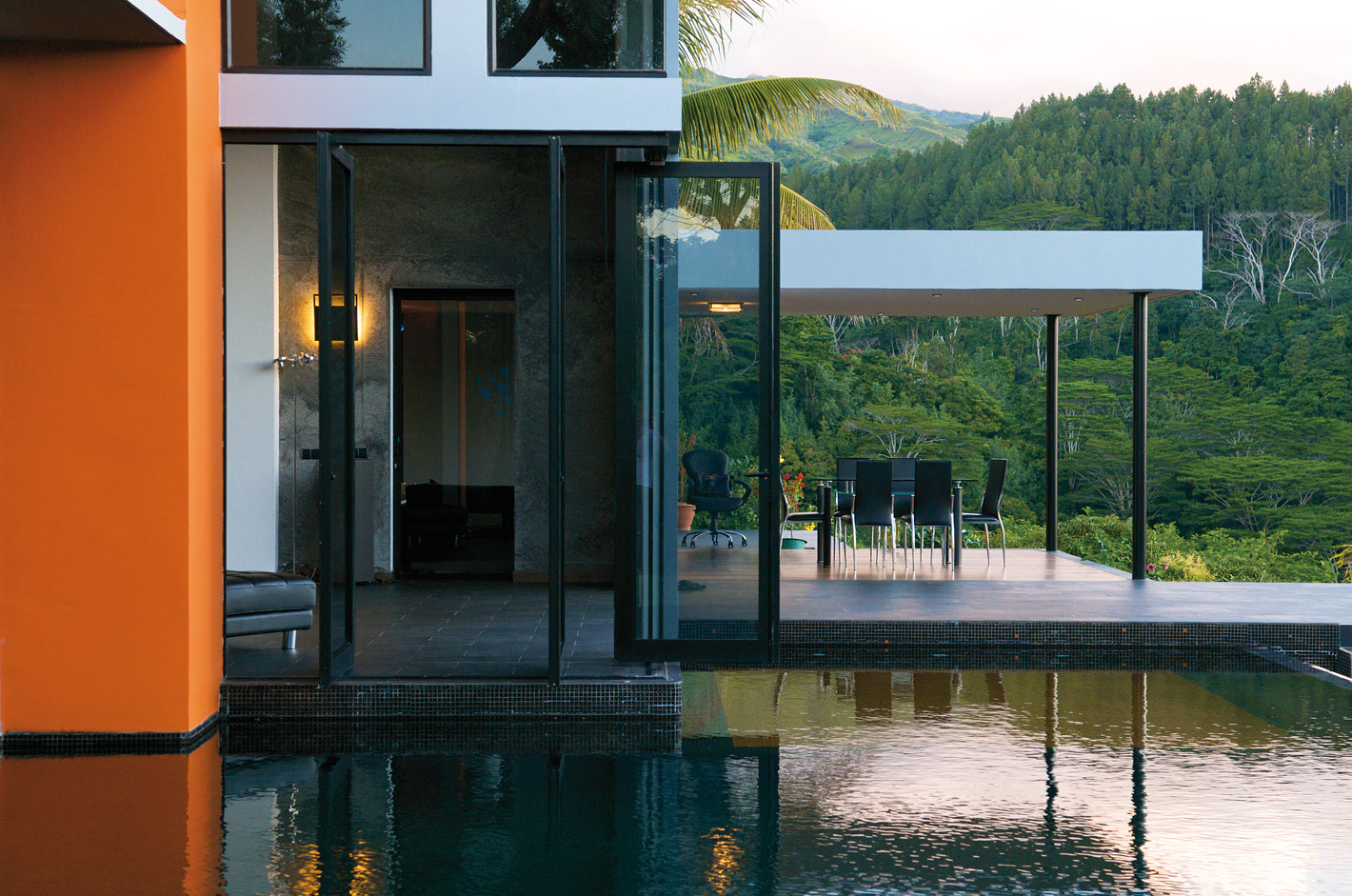
Maison Castors

Situation géographique:
Adresse confidentielle Tahiti - Polynésie Française.
Programme :

Cette maison a fait l’objet d’une publication dans «*21st Century Houses: 150 of the world’s best*», édité par Image Publishing, janvier 2010. Voir la section Parutions.
maison individuelle sur un terrain de 1800 m², avec 1 salle de séjour, 1 cuisine, 3 chambres, 2 salles de bains, 1 terrasse couverte, 1 piscine et 1 garage.
*Consommation en énergie :* 600 kWh/mois dont 50 % pris par les panneaux solaires sur les toits. Consommation réelle: 11,9 kWh/m2/an.

Maître d’ouvrage:

SCI « La Compagnie Des Castors ».

Maître d'oeuvre:

Bertrand Portier

Architecte:

Bertrand Portier

Délai:

Début du chantier en mai 2006, livraison en janvier 2008.

Surface:
372 m²
Coût:
60 000 000 Fcfp (503 000 euros)
Entreprises:

Gros œuvre: HTR ; Menuiseries aluminium: SOMALU ; Porte sectionale: PACIFERME ; Cuisine: Espace Concept
*Sources principales :* porte sectionale: Gunther ; cuisine: Leader Cucine

Photo : (link: http://www.timmckennaphoto.com/ text: Tim McKenna), tous droits réservés.

SODIMEC image
SODIMEC image
SODIMEC image
SODIMEC image
SODIMEC image
SODIMEC image
SODIMEC image
SODIMEC image
SODIMEC image
SODIMEC image
SODIMEC image
SODIMEC image

Bureaux

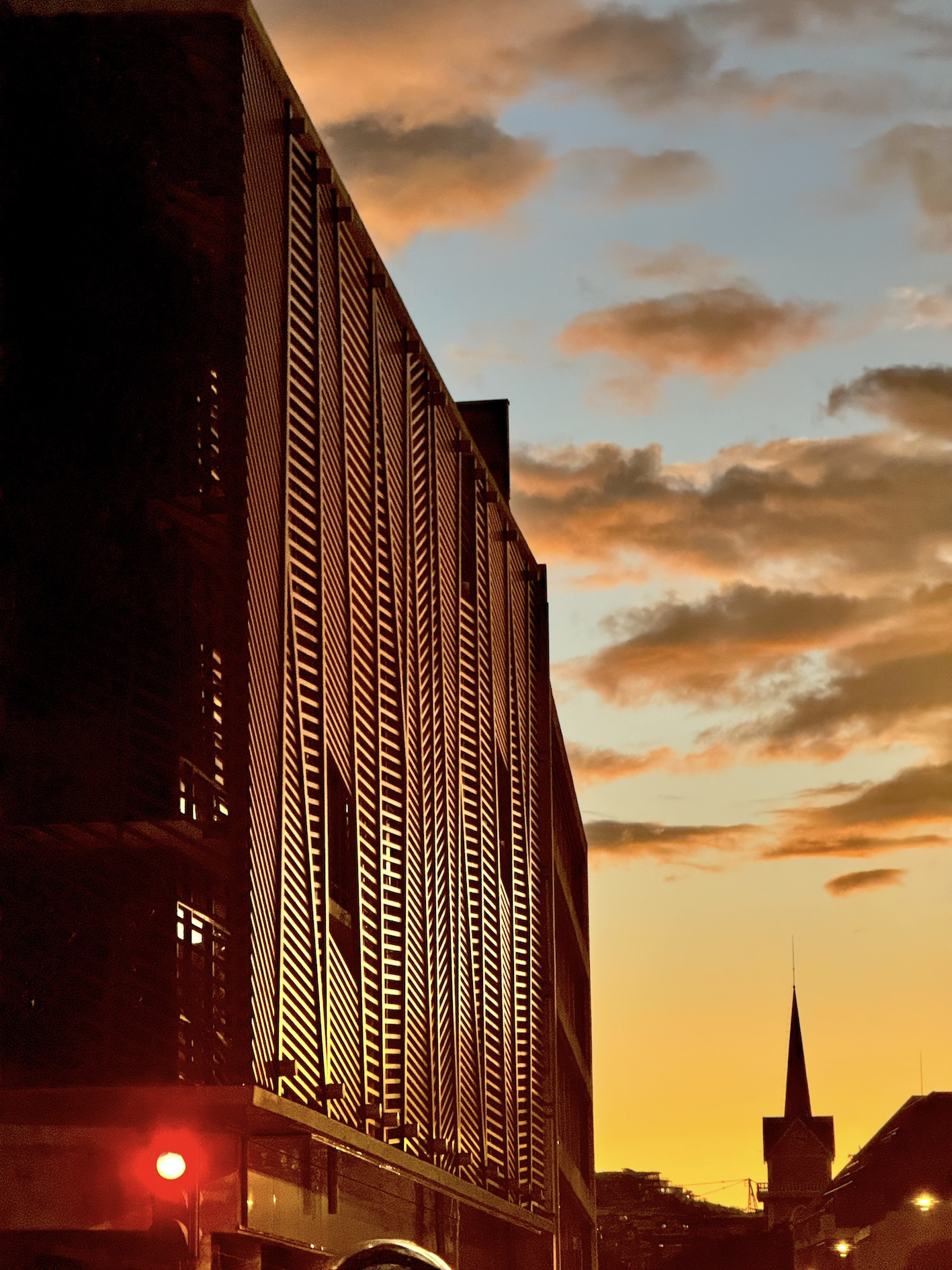
SODIMEC

Situation géographique:
quartier Nuutania, commune de Faa’a, TAHITI
Programme :

Entrepôt et bureaux
1300 m² de stockage + 300 m² de bureaux

Maître d’ouvrage:

Groupe CGED

Architecte:

Bertrand Portier

Délai:

Chantier démarré fin août 2013 – livraison juin 2014

Surface:
1600 m²
Coût:
confidentiel
Entreprises:

BOYER (gros oeuvre et VRD), PACIFERME (charpente couverture et métalleries), UREKAR (peintures, sols, bois, cloisons, faux-plafonds), Cegelec (électricité et climatisation), AAA PLOMBERIE (plomberie), ALU DESIGN (menuiseries vitrées), TAHITI SIGN (enseigne).

Photo : Greg Le Bacon

Immeuble JL-Polynésie image

Bureaux

Immeuble JL-Polynésie

Situation géographique:
Quartier Jambolana – commune de Punaauia
Programme :

Bureaux, parking sous-sol – Siège de société

Maître d’ouvrage:

JL Polynésie

Architecte:

Bertrand Portier

Délai:

Etudes commencées en juin 2012, immeuble livré en juillet 2013

Coût:
120 000 000 Fcfp HT
Entreprises:

Fiumarella (gros oeuvre et plomberie), STTT (étanchéité), ABP Concept (peintures, menuiseries bois), Lucky (cloisons et faux plafonds), Technofroid (électricité et climatisation), Gonon (métalleries), Pacific Alu (menuiseries vitrées), Somalu (bardages extérieurs), Tahiti Signs (enseigne), J-L Polynésie (VRD).

Bertrand Portier Architecte

@ 2021 Bertrand Portier